 TreadLeft Blog
The Perfect 3-Shoe Rotation: Balancing Daily Trainers, Speedwork, and Race Day Gear
Maximise your running shoe lifespan and prevent injuries with the perfect 3-shoe rotation. Learn how to balance daily trainers, speed shoes, and race-day gear.
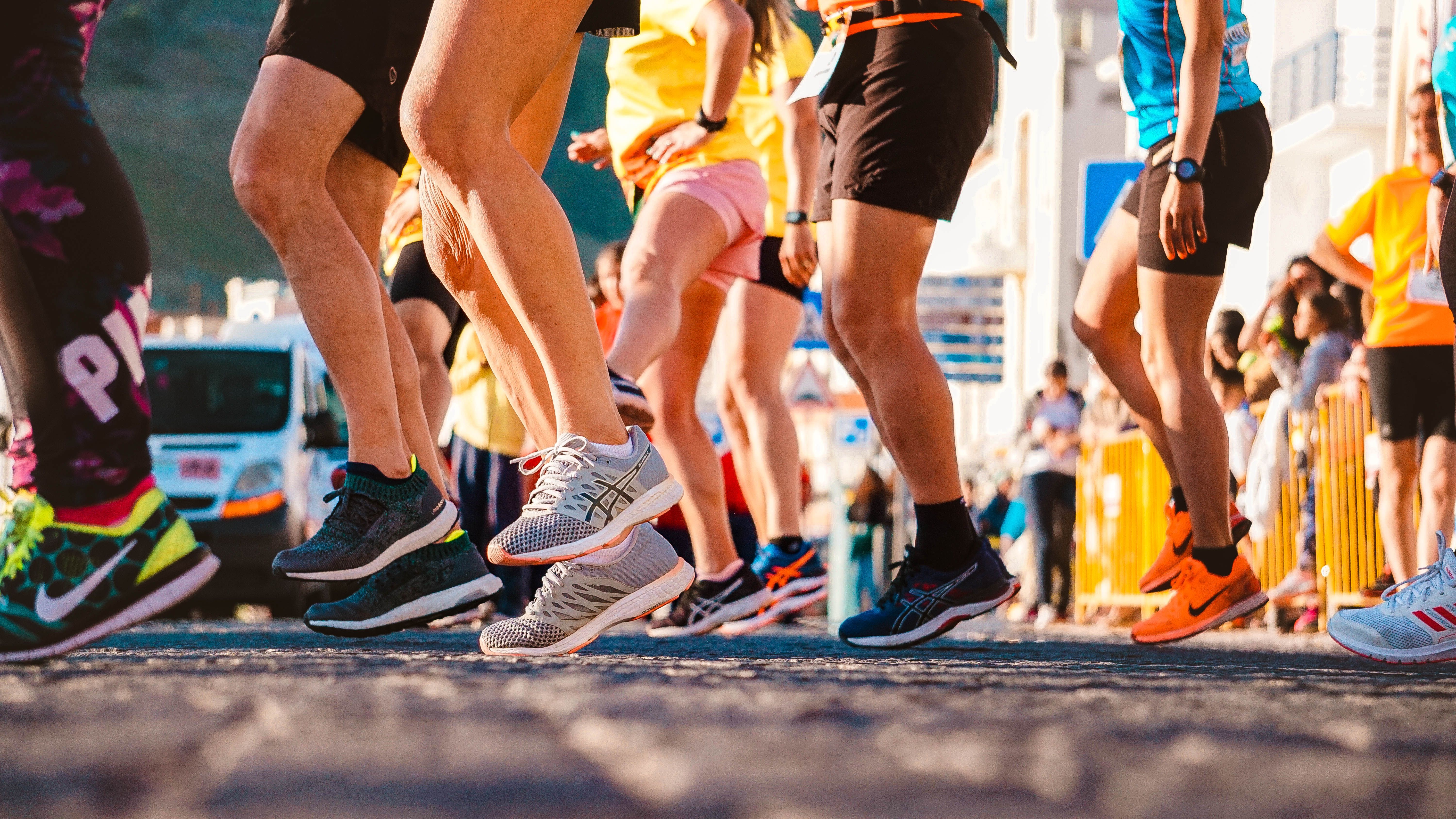
If you run consistently, you’ve probably heard the advice to rotate your running shoes. But a true rotation isn't just about owning multiple pairs of shoes—it’s about having a purposeful arsenal where each shoe serves a specific mechanical and training goal.
Building a balanced fleet protects your body from repetitive-stress injuries, extends the life of your expensive foam, and ensures you have the right tool for the workout on your schedule.
For most runners, the sweet spot is a 3-shoe rotation. Here is how to build it.
1. The Daily Trainer (The Workhorse)
The Goal: Eat up 70–80% of your weekly volume.
The Profile: High durability, generous outsole rubber coverage, and stable, comfortable foam. This shoe isn't about setting personal bests; it’s about protecting your legs during easy miles, recovery runs, and long, slow efforts.
Examples: Brooks Ghost, HOKA Clifton, Nike Pegasus.
Lifecycle Expectancy: 500 – 800 km.
2. The Speed/Tempo Shoe (The Specialist)
The Goal: Fast intervals, tempo runs, and threshold sessions.
The Profile: Lighter and firmer than your daily trainer. These often feature a rocker geometry or a flexible nylon plate to help you transition quickly from heel to toe. When you are pushing your 5k or 10-mile interval paces, this shoe responds to the extra force without the sluggishness of a highly cushioned daily trainer.
Examples: Saucony Endorphin Speed, ASICS Magic Speed, HOKA Mach.
Lifecycle Expectancy: 400 – 600 km.
3. The Race Day Shoe (The Finisher)
The Goal: Maximum energy return on race day (or key peak-training long runs).
The Profile: Ultra-lightweight PEBA foams paired with a rigid carbon fibre plate. These shoes are highly engineered to improve your running economy, but they come with a catch: the foam degrades rapidly, and they often alter your biomechanics in ways that aren't safe for everyday use.
Examples: Nike Vaporfly, ASICS Metaspeed, HOKA Rocket X.
Lifecycle Expectancy: 150 – 300 km.
Why Balance Matters
A common trap is the "Super Shoe heavy" rotation. It is easy to get caught up in the hype and fill your closet with carbon-plated racers, but logging junk miles in a race shoe destroys its expensive foam and puts unnecessary stress on your Achilles and calves. Conversely, trying to run a track workout in a max-cushion recovery shoe is an exercise in frustration.
A balanced fleet ensures that when you pull a shoe off the rack, it mechanically matches the effort you are about to put in. It also naturally enforces the 48-hour foam recovery rule, as you are unlikely to do back-to-back workouts requiring the exact same shoe profile.
Managing Your Fleet
Keeping track of which shoe is for which run—and exactly how much mileage is on each specific pair—gets complicated fast.
This is exactly why we built the Fleet Balance diagnostic into TreadLeft. Instead of just tracking raw distance, TreadLeft analyses the composition of your active rotation. It automatically detects if your fleet is heavily weighted toward race day gear while lacking a reliable daily trainer, giving you a clear Balance Score so you know exactly what your rotation is missing before you buy your next pair.