 TreadLeft Blog
300 Miles or 6 Months? The Real Lifespan of a Running Shoe
The running industry tells us to replace our shoes every 300 to 500 miles, but foam degradation doesn't follow a strict odometer. Discover the physical signs of a dead midsole, how outsole wear alters your biomechanics, and why your target race pace might be suffering from expired gear.
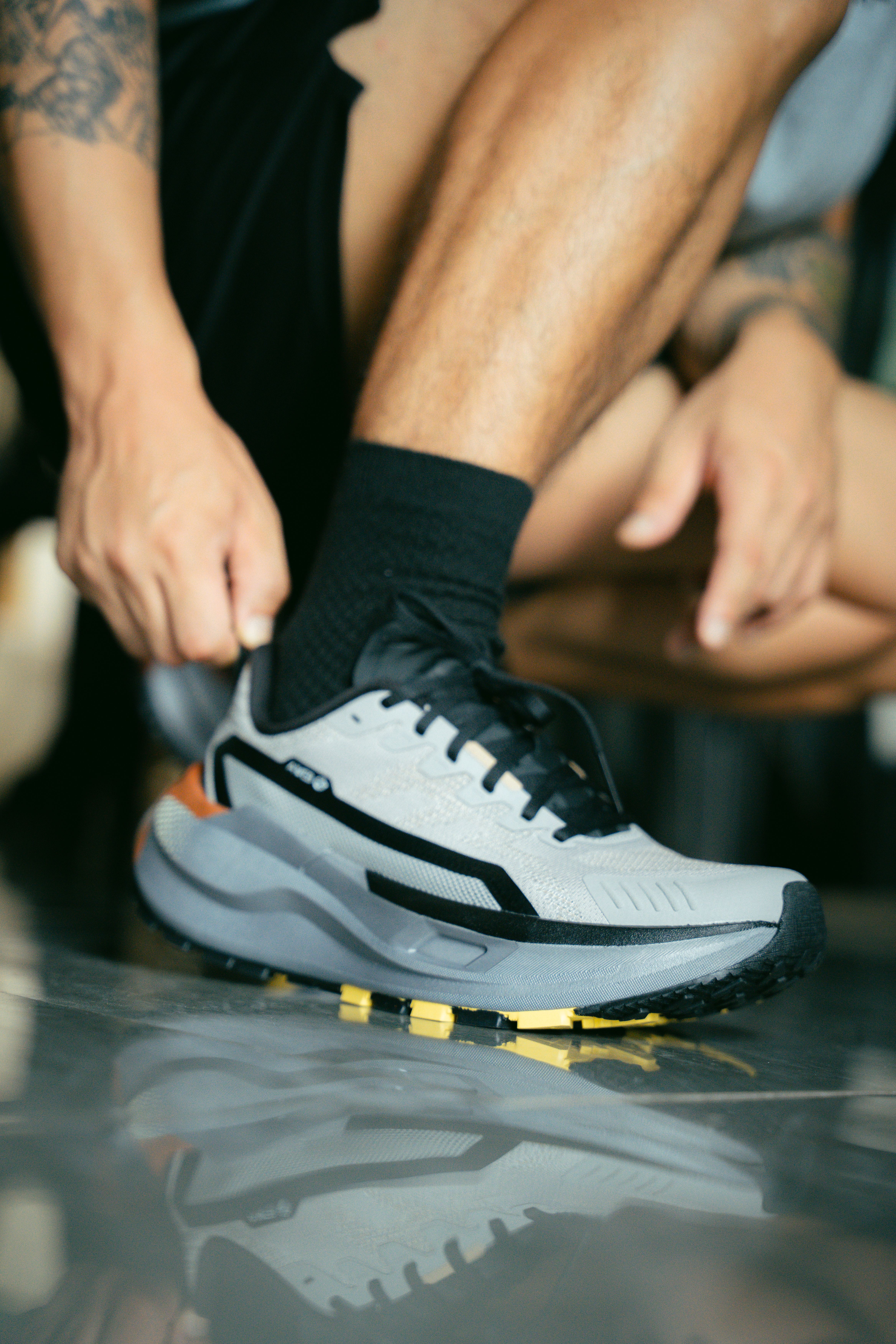 We have all heard the golden rule of running gear: replace your daily trainers every 300 to 500 miles, or roughly every six months. It is printed on the boxes, repeated by physical therapists, and strictly enforced by local running store clerks. But treating your running shoes like a car that needs an oil change ignores the physical reality of how materials degrade on the road.
The 300-mile metric is an average, not a hard deadline. The true lifespan of your shoe depends heavily on the specific compound of the midsole. Traditional EVA foams are highly durable but prone to permanent compression over time, meaning that six-month timeline might actually matter if the foam simply dries out and hardens in your closet. Meanwhile, modern PEBA-based super foams offer incredible, bouncy energy return for those long 10-mile training blocks. Still, they can shear and lose their structural integrity much faster—sometimes feeling completely dead after just 150 miles.
The invisible danger often lies in the outsole. While you might be tracking your mileage religiously to hit that 300-mile mark, the rubber tread underneath is taking the actual friction damage. If you have a slight underpronation in your stride, the lateral edges of your shoe will grind down to the exposed foam long before the overall shoe hits its mileage limit. Running on an uneven outsole is like driving a car with a flat tyre. It forces your ankles and knees to compensate, silently altering your biomechanics and risking injury right as your training peaks for a sub-4 marathon attempt.
Instead of relying solely on an arbitrary number, look for the physical symptoms of gear fatigue. If your legs feel unusually heavy the day after a short, easy recovery run, or if you can press your thumb into the foam and it does not immediately spring back, the midsole is exhausted.
Tracking your exact mileage remains a vital baseline, but combining that data with regular visual inspections of your tread wear is the only definitive way to know when it is time to retire a workhorse pair to the everyday walking rotation.